基于智慧社区的“微扰动”更新方法
Approach to Accurately Micro-renovate Old Microdistricts Based on Video Surveillance
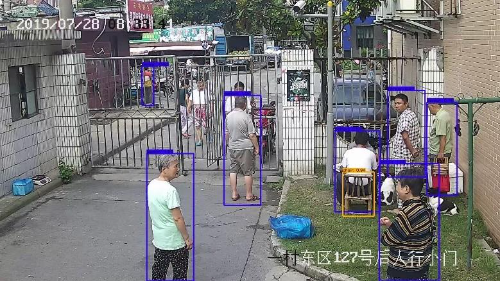
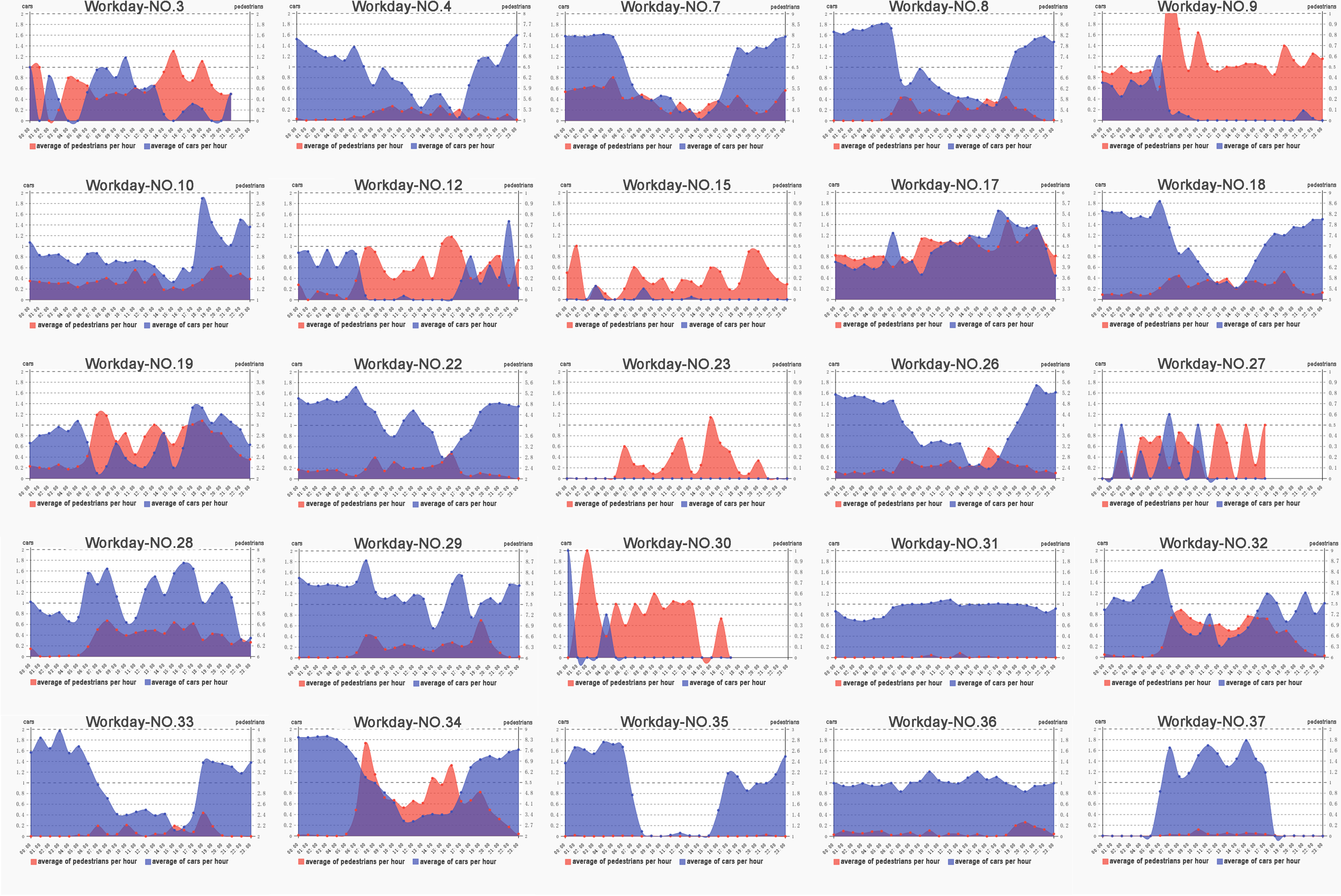
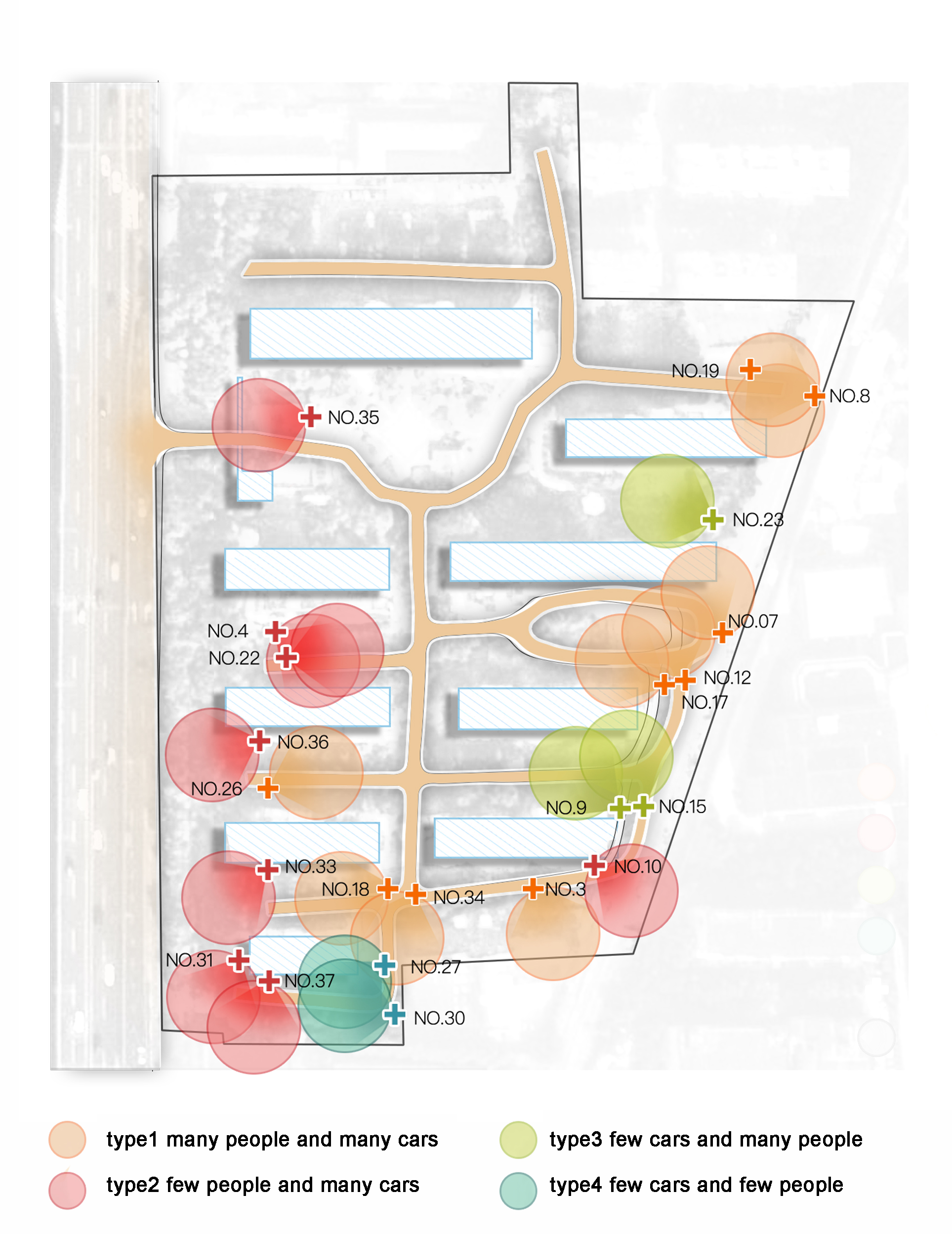
A microdistrict (also called xiaoqu in Chinese) is a residential complex, a primary structural element of a residential area construction, and the most universal way to arrange housing for indigenous Chinese. Today, many old microdistricts in China need to be renovated. However, the traditional way of investigating the sites by architects themselves and then putting forward design proposals is neither labour-saving nor accurate, for architects can only observe parts of the problems in the given time for investigation. This project presents a new way to investigate old microdistricts based on surveillance videos. In this way, designers can easily know the real needs of users, can hear the indigenous voices, which lead to a more accurate renovation. This approach uses YOLOv3 to detect humans and cars in the image taken from the videos. According to these data, the exact time and area, when and where people and cars would appear, could be known. On the basis of it, accurate renovation design proposals are put forward. In this project, the approach is practised in a real microdistrict in Shanghai. The article will first introduce the background, methodology, and significance of this study. Then, the approach to accurately analysing and renovating old microdistricts based on surveillance videos would be described. Ultimately, the implementation will be presented.
Partners: Di Zhu, Zhenzhao Xu